domingo, 11 de maio de 2025

Dämmerattacke

 Tausend Seen, Primary, 1 of 5

Dämmerattacke foi um grupo austríaco de post-punk e new wave ativo entre 1979 e 1983, originário de Wiener Neustadt, Áustria. Formada por colegas de escola, a banda combinava elementos de punk rock com influências eletrônicas e atmosferas sombrias, sendo frequentemente comparada a bandas como Joy Division.

Integraram a banda Walter Leinweber ( guitarra, vocais), Michael Andersch  (saxofone), Thomas Guth (baixo), Wolfgang Leinweber (bateria), Erich Allinger (teclados), bem como adentrou em 1981( guitarra, baixo acústico).

A música da Dämmerattacke é caracterizada por uma atmosfera melancólica e introspectiva. O álbum "Tausend Seen" é frequentemente comparado ao "Closer" do Joy Division, devido à sua sonoridade sombria e envolvente. A voz melancólica de Walter Leinweber adiciona um toque "anti-pop" à mistura, resultando em uma peça única na história da música underground austríaca.

Apesar de sua curta existência, a Dämmerattacke deixou uma marca significativa na cena musical underground da Áustria. Seus lançamentos, especialmente o álbum "Tausend Seen", são altamente procurados por colecionadores e entusiastas do gênero. A banda é lembrada por sua contribuição única ao post-punk e new wave austríaco.

Mensch und Maschine (1980)  Demo

Este é o primeiro registro da banda, uma demo caseira que captura a energia bruta e experimental do início da Dämmerattacke. Gravado em uma época em que o punk ainda reverberava fortemente na Europa Central, "Mensch und Maschine" revela uma formação em transição do punk tradicional para um pós-punk mais climático e eletrônico. Apesar de não ter sido lançado oficialmente na época, a demo circulou no circuito alternativo austríaco e ajudou a solidificar a reputação da banda como pioneira na cena local de post-punk. 

Das Märchen EP (1981) 

O primeiro lançamento oficial da banda. "Das Märchen" ("O Conto de Fadas") marca um avanço na produção e uma estética mais refinada. Ainda fortemente ancorado no pós-punk, o EP aponta para uma sensibilidade narrativa e artística mais apurada. A inclusão de elementos de saxofone e arranjos mais sutis mostra uma evolução em relação à crueza da demo.

As faixas giram em torno de temas de alienação, imaginação sombria e crítica social, embaladas por uma sonoridade minimalista. O título do EP ironiza os contos infantis ao contrastar fantasia com dureza da realidade urbana.

Tausend Seen (1982) 

Este é o único álbum completo lançado pela banda e sua obra-prima definitiva. “Tausend Seen” (“Mil Lagos”) marca a culminação do estilo da Dämmerattacke  uma fusão sombria de post-punk e atmosferas oníricas, com uma abordagem mais madura.A produção tem um caráter mais ambiental e melancólico, antecipando sonoridades que viriam a ser exploradas por bandas do darkwave e do gothic rock.

O álbum flui quase como uma narrativa contínua. As composições são mais elaboradas, com camadas de teclado e linhas de baixo densas que criam uma sensação de imersão. Letras Poéticas, abstratas e existencialistas. Tratam de paisagens mentais, isolamento, memória, e um senso quase fílmico de lugar e tempo.


 Tausend Seen, Primary, 1 of 5

Dämmerattacke was an Austrian post-punk and new wave group active between 1979 and 1983, originating from Wiener Neustadt, Austria. Formed by schoolmates, the band combined punk rock elements with electronic influences and dark atmospheres, often drawing comparisons to bands like Joy Division.

The band included Walter Leinweber (guitar, vocals), Michael Andersch (saxophone), Thomas Guth (bass), Wolfgang Leinweber (drums), Erich Allinger (keyboards), and later joined in 1981 (guitar, acoustic bass).

Dämmerattacke’s music is characterized by a melancholic and introspective atmosphere. The album "Tausend Seen" is often compared to Joy Division's "Closer" due to its dark and immersive sound. Walter Leinweber's melancholic voice adds an "anti-pop" touch to the mix, resulting in a unique piece in the history of Austrian underground music.

Despite their short existence, Dämmerattacke left a significant mark on Austria's underground music scene. Their releases, especially the album "Tausend Seen," are highly sought after by collectors and genre enthusiasts. The band is remembered for their unique contribution to Austrian post-punk and new wave.

Mensch und Maschine (1980)  Demo

This is the band's first recording, a homemade demo that captures the raw and experimental energy of Dämmerattacke's early days. Recorded at a time when punk was still strongly resonating in Central Europe, "Mensch und Maschine" reveals a group in transition from traditional punk toward a more atmospheric and electronic post-punk. Although it wasn’t officially released at the time, the demo circulated within Austria's alternative circuit and helped solidify the band’s reputation as pioneers in the local post-punk scene. 

Das Märchen EP (1981) 

The band’s first official release. "Das Märchen" ("The Fairy Tale") marks a leap in production and a more refined aesthetic. Still deeply rooted in post-punk, the EP points to a more developed artistic and narrative sensibility. The inclusion of saxophone elements and more subtle arrangements shows a clear evolution from the rawness of the demo.

The tracks revolve around themes of alienation, dark imagination, and social critique, wrapped in a minimalist sound. The EP’s title ironically contrasts childhood fairy tales with the harshness of urban reality.

Tausend Seen (1982) 

This is the only full-length album released by the band and their definitive masterpiece. “Tausend Seen” (“Thousand Lakes”) marks the culmination of Dämmerattacke's style — a dark fusion of post-punk and dreamlike atmospheres with a more mature approach. The production takes on an ambient and melancholic character, anticipating sounds later explored by darkwave and gothic rock bands.

The album flows almost like a continuous narrative. The compositions are more elaborate, with layered keyboards and dense bass lines that create a sense of immersion. Poetic, abstract, and existentialist lyrics explore mental landscapes, isolation, memory, and a nearly cinematic sense of time and place.

quarta-feira, 7 de maio de 2025

Fifth Column

 Fifth Column, Primary, 1 of 3

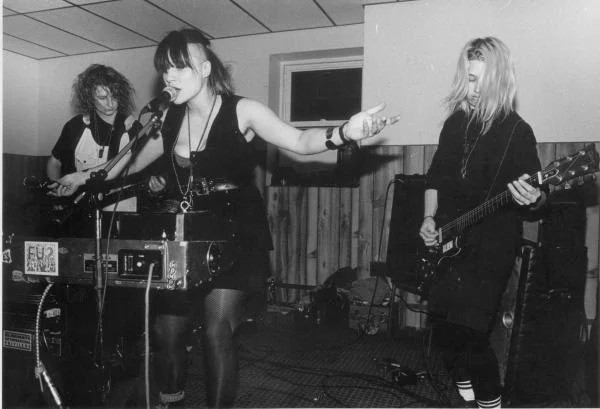
Formada em Toronto no início dos anos 80, a Fifth Column foi uma banda essencialmente feminina que transitou entre o post-punk, o DIY radical e os primórdios do que viria a ser conhecido como queercore. Ativas entre 1980 e 1995, elas não só desafiavam os moldes sonoros da época como também sacudiam a política de gênero e sexualidade na cena alternativa canadense um terreno ainda bastante conservador, mesmo entre os ditos "desviantes".

O embrião da banda começou sob o nome Second Unit, com GB Jones na bateria, Kathleen Pirrie Adams no baixo e Janet Martin na guitarra. Foi em um desses primeiros shows, ainda em 1980, que Caroline Azar se encantou com o trio e logo se integrou como vocalista, selando a formação inicial da Fifth Column. O nome foi escolhido como referência ao termo militar cunhado durante a Guerra Civil Espanhola “quinta coluna” apontando para sabotadores infiltrados no coração da cidade sitiada. Uma metáfora perfeita para uma banda que se via como uma força de infiltração crítica no meio cultural dominante. 

Logo no início, o grupo mergulhou de cabeça na cultura da fita cassete, participando da coletânea Urban Scorch em 1981, lançada pela Some Product. Jones, Azar e Candy Parker também criaram o zine Hide, uma colagem xerocada de arte e crítica social que teve cinco edições. O zine se desdobrou em compilações em fita com nomes como Anti-Scrunti Faction, Mydolls, Really Red e Michael Phillip Wojewoda, além da própria Fifth Column.

Enfrentando resistência tanto da mídia convencional quanto de segmentos assimilacionistas da cena alternativa, a Fifth Column incomodava por sua estética crua, performances não-convencionais e postura explicitamente feminista. Poucos jornalistas da época as defenderam: nomes como Denise Benson (CKLN), Chris O'Connor (The Eye), John Sakamoto (The Sun) e Liam Lacey (The Globe and Mail) estão entre os poucos aliados. 

A primeira gravação em vinil foi o EP Boy-Girl, lançado em 1983 pelo selo Voicepondence. Mas foi com o LP To Sir With Hate (título que ironiza o filme britânico To Sir With Love) que a Fifth Column encontrou sua voz mais marcante. Produzido por Michael Phillip Wojewoda, o disco se tornou um marco na música underground canadense, sendo indicado diversas vezes na categoria de legado do Polaris Music Prize entre 2016 e 2018.

O destaque vai para a faixa “The Fairview Mall Story”, que denuncia a armadilha policial contra homens gays em Toronto e sua exposição pública pela imprensa um gesto artístico crucial para a formação da futura cena queercore. O videoclipe, dirigido por Steven Rumbelow, é uma colagem ácida de consumismo, repressão e sexualidade encenada. Já o vídeo de "Where Are They Now?", dirigido por Marc de Guerre, também ampliou os limites estéticos do grupo. 

Suas apresentações ao vivo eram performáticas, com projeções de filmes e um “go-go boy” dançando, em uma inversão crítica dos papéis de gênero. Instrumentistas convidados, como saxofonistas e violinistas, completavam o cenário sonoro mutante da banda.

Em 1992, lançaram o provocativo single "All Women Are Bitches" pelo selo K Records  um ataque irônico ao sexismo e às caricaturas sobre feministas. Apesar da rejeição radiofônica, a música foi eleita “Single da Semana” pela Melody Maker no Reino Unido, graças ao crítico Everett True

Este single integraria seu terceiro e último álbum, 36C, lançado em 1994. O videoclipe de "Donna", dirigido por Bruce LaBruce, escancarava os temas queer e feministas da banda, com participações de amigas e musas do coletivo, como Jena Von Brucker, Mic Hell, Norma Jean LeFebvre e Ottilie Mason.

A banda se desfez em 1995, após o cancelamento de uma turnê britânica e com GB Jones cada vez mais envolvida com projetos artísticos em Nova York. Seu último registro sonoro apareceu em 2002, na compilação Fields And Streams, da Kill Rock Stars.

Após o fim da banda, as integrantes continuaram ativas nas artes. Caroline Azar envolveu-se com teatro, compôs para peças como The End e criou libretos como MAN-O-REXIC e D.I.N.K. Ela também escreveu e dirigiu a série cômica St. Peon, encenada por Jamillah Ross. Já GB Jones colaborou com projetos experimentais como Mariae Nascenti, Agnoema e fundou o duo Opera Arcana, que lançou trilhas sonoras e se apresentou em eventos multimídia dirigidos por Azar.

Em 2012, o documentário She Said Boom: The Story of Fifth Column, dirigido por Kevin Hegge, celebrou o legado da banda com depoimentos de integrantes e artistas como Bruce LaBruce, Kathleen Hanna e Vaginal Davis. E em 2004, a faixa “All Women Are Bitches” ganhou nova vida ao ser reinterpretada pela banda Lesbians on Ecstasy como “Bitchsy”.

 Discografia

1981 – Urban Scorch - k7

1983 – Boy-Girl EP

1992 – All Women Are Bitches / Donna   

Álbuns de estúdio

1985 – To Sir With Hate  

1990 – All-Time Queen of the World 

1994 – 36C 

2002 – Fields and Streams - Coletânea


 Fifth Column, Primary, 1 of 3

Formed in Toronto in the early 1980s, Fifth Column was an essentially all-female band that moved between post-punk, radical DIY, and the early roots of what would later become known as queercore. Active from 1980 to 1995, they not only challenged the sonic molds of the time but also shook up gender and sexuality politics in the Canadian alternative scene—a space still very conservative, even among the so-called "deviants."

The band’s embryo began under the name Second Unit, with GB Jones on drums, Kathleen Pirrie Adams on bass, and Janet Martin on guitar. It was at one of these early shows, still in 1980, that Caroline Azar became captivated by the trio and soon joined as vocalist, sealing the original Fifth Column lineup. The name was chosen as a reference to the military term coined during the Spanish Civil War—“fifth column”—referring to infiltrators within a besieged city. A perfect metaphor for a band that saw itself as a force of critical infiltration in mainstream culture. 

Early on, the group fully embraced cassette culture, appearing on the 1981 compilation Urban Scorch released by Some Product. Jones, Azar, and Candy Parker also created the zine Hide, a xeroxed collage of art and social critique that ran for five issues. The zine branched into cassette compilations featuring acts like Anti-Scrunti Faction, Mydolls, Really Red, and Michael Phillip Wojewoda, in addition to Fifth Column themselves.

Facing resistance from both mainstream media and assimilationist segments of the alternative scene, Fifth Column provoked discomfort through their raw aesthetic, unconventional performances, and explicitly feminist stance. Few journalists defended them at the time: names like Denise Benson (CKLN), Chris O'Connor (The Eye), John Sakamoto (The Sun), and Liam Lacey (The Globe and Mail) were among the few allies. 

Their first vinyl release was the EP Boy-Girl, released in 1983 by the Voicepondence label. But it was with the LP To Sir With Hate (a title that mocks the British film To Sir With Love) that Fifth Column found their most defining voice. Produced by Michael Phillip Wojewoda, the album became a landmark in Canadian underground music, receiving multiple nominations in the legacy category of the Polaris Music Prize between 2016 and 2018.

A standout track is “The Fairview Mall Story”, which denounces a police sting against gay men in Toronto and their public shaming by the press—a crucial artistic gesture in the development of the future queercore scene. The music video, directed by Steven Rumbelow, is an acidic collage of consumerism, repression, and staged sexuality. The video for "Where Are They Now?", directed by Marc de Guerre, also expanded the band's aesthetic boundaries. 

Their live performances were theatrical, with film projections and a dancing “go-go boy,” critically inverting gender roles. Guest musicians, such as saxophonists and violinists, completed the band's ever-shifting sonic landscape.

In 1992, they released the provocative single "All Women Are Bitches" on the K Records label—an ironic attack on sexism and caricatures of feminists. Despite radio rejection, the song was named “Single of the Week” by the UK’s Melody Maker, thanks to critic Everett True

This single would be included on their third and final album, 36C, released in 1994. The music video for "Donna", directed by Bruce LaBruce, laid bare the band’s queer and feminist themes, featuring friends and muses from their collective, such as Jena Von Brucker, Mic Hell, Norma Jean LeFebvre, and Ottilie Mason.

The band dissolved in 1995 after the cancellation of a UK tour and with GB Jones increasingly focused on artistic projects in New York. Their final recorded appearance came in 2002, on the compilation Fields And Streams by Kill Rock Stars.

After the band’s end, its members remained active in the arts. Caroline Azar became involved in theatre, composing for plays such as The End and creating librettos like MAN-O-REXIC and D.I.N.K. She also wrote and directed the comedy series St. Peon, performed by Jamillah Ross. Meanwhile, GB Jones collaborated with experimental projects like Mariae Nascenti, Agnoema, and founded the duo Opera Arcana, which released soundtracks and performed in multimedia events directed by Azar.

In 2012, the documentary She Said Boom: The Story of Fifth Column, directed by Kevin Hegge, celebrated the band's legacy with testimonials from members and artists like Bruce LaBruce, Kathleen Hanna, and Vaginal Davis. And in 2004, the track “All Women Are Bitches” was reborn through a reinterpretation by the band Lesbians on Ecstasy as “Bitchsy.”

 Discography

1981 – Urban Scorch - k7

1983 – Boy-Girl EP

1992 – All Women Are Bitches / Donna   

Studio albums

1985 – To Sir With Hate  

1990 – All-Time Queen of the World 

1994 – 36C 

2002 – Fields and Streams – Compilation


Box of Fish

 Erosion, Primary, 1 of 6

Poucas bandas personificaram tão bem o "faça você mesmo" e o nonsense surrealista como o Box of Fish, uma das formações mais excêntricas e obscuras da cena pós-punk/underground australiana do início dos anos 80. Apesar da curta duração, o grupo deixou uma marca peculiar e provocativa.

A gênese do Box of Fish tem contornos quase mitológicos: tudo começou em 1981, em um show do The Birthday Party (de Nick Cave) no lendário Stranded, um clube no centro de Sydney. Em um encontro inusitado no banheiro masculino, Bill foi encontrado segurando o cinto de Nick Cave, decorado com uma caveira e ossos cruzados. O que o acessório fazia lá ninguém sabe, mas foi suficiente para que Andy se aproximasse e sugerisse: "Quer montar uma banda?" A resposta, claro, foi afirmativa. E o resto, como dizem, é história. 

Como muitas bandas do underground pós-punk e experimental do início dos anos 80, o Box of Fish passou por diversas formações ao longo de sua breve, porém intensa trajetória. Cada mudança refletia uma fase sonora distinta da frieza eletrônica do drum machine ao som mais orgânico e caótico das guitarras ao vivo. A seguir, uma linha do tempo essencial das formações que definiram a história do grupo:

A primeira formação contava com Bill Quarry (baixo e vocais), Andrew Johnson  (vocais, guitarra e teclados) e bateria eletrônica. Nesta fase, realizaram 02 shows. 

Na segunda fase, ainda com o drum machine, a banda começa a ganhar corpo e um som mais atmosférico. Carol Anderson entra trazendo novas texturas nas guitarras e teclados. Em algum momento desses seis shows, a banda encurta seu nome para o definitivo Box of Fish: fizeram 06 shows

O nome Box of Fish foi retirado de um episódio da série britânica cômica Ripping Yarns (dos criadores do Monty Python), e chegou a ser estendido para frases cada vez mais absurdas como:
"A Box of Fish with tartar sauce on Sunday afternoon eating down at the jetty" até que decidiram manter apenas o essencial: Box of Fish.

Entre 1981 e 1982, a banda começou a ensaiar e apresentou seu primeiro show no Entertainers Club, em Redfern, ao lado da banda experimental Negative Reaction e outros grupos da cena alternativa. A banda transitava por um som cru e distorcido, com guitarras ruidosas e vocais carregados de ironia e provocação.

A terceira fase é considerada a formação clássica. Com a entrada do baterista Craig Rossi, o grupo abandona a frieza da máquina e mergulha num som mais sujo e visceral  é aqui que o suposto “grunge australiano” começa a se moldar. Foram quase 50 apresentações, consolidando o nome da banda nos palcos alternativos de Sydney.

Na quarta fase, curta, porém marcante, com a inclusão do guitarrista Bill Posters, que trouxe um toque extra de ruído e distorção para o som do grupo, isto por volta de Setembro e de 1983. A quinta fase representa o retorno à formação estável, agora com uma sonoridade madura e marcada pelo entrosamento entre Rossi, Anderson e Quarry. Um trio instrumental sólido sob os vocais estridentes e teclados de Johnson.

Em 1984, a banda apenas ensaiou com Paul Spooner na guitarra (do The Rejects), buscando talvez uma nova direção. Mas não chegaram a se apresentar ao vivo. Entre Julho de 1984 a Setembro de 1985, foi a  última e mais longa formação do Box of Fish, com Chris Royal entrando como segundo guitarrista. A banda agora exalava experiência, peso e certa desilusão, ingredientes perfeitos para os palcos decadentes da cena alternativa. Foi com esse lineup que o grupo encerrou sua jornada.

Cada formação do Box of Fish trazia algo novo, mas todas tinham em comum uma postura experimental, independente e desafiadora dos padrões. Essa cronologia revela mais do que mudanças de integrantes, revela um movimento contínuo em direção ao caos criativo que ajudou a definir a sonoridade crua e irônica que muitos só foram descobrir anos depois, nos becos de Seattle.

Em setembro de 1985, o grupo fez seu último show no Strawberry Hills Hotel, encerrando um ciclo breve, mas repleto de energia e irreverência.Após o fim da banda, os membros se espalharam por diversos projetos marcantes da cena australiana como Toys Went Berserk, King Snake Roost, The Deadly Hume, The Fester Brothers e Siberian All-Stars. nomes que ajudaram a manter acesa a chama do rock alternativo no país durante os anos 80. 

Discografia

Erosion - Single (1983)
Slap Em Round The Gills (1985)
Invented Grunge 1984 - Compilation (2008)

 Erosion, Primary, 1 of 6

Few bands embodied the "do-it-yourself" spirit and surrealist nonsense quite like Box of Fish, one of the most eccentric and obscure acts from the early 80s Australian post-punk/underground scene. Despite its short lifespan, the group left a peculiar and provocative mark.

The genesis of Box of Fish borders on mythology: it all began in 1981 at a The Birthday Party (Nick Cave's band) concert at the legendary Stranded club in downtown Sydney. In a bizarre encounter in the men's restroom, Bill was found holding Nick Cave’s belt, decorated with a skull and crossbones. Why the belt was there, no one knows, but it was enough for Andy to approach and suggest: “Want to start a band?” The answer, of course, was yes. And the rest, as they say, is history. 

Like many bands from the early 80s post-punk and experimental underground, Box of Fish went through several line-ups during their brief but intense trajectory. Each change reflected a distinct sonic phase, from the electronic coldness of drum machines to the more organic and chaotic energy of live guitars. Below is a timeline of key lineups that defined the band's history:

The first lineup featured Bill Quarry (bass and vocals), Andrew Johnson (vocals, guitar, and keyboards), and a drum machine. During this phase, they performed 2 shows. 

In the second phase, still using a drum machine, the band began to gain shape and a more atmospheric sound. Carol Anderson joined, bringing new textures on guitar and keyboards. Sometime during these six shows, the band shortened its name to the definitive Box of Fish: they played 6 shows.

The name Box of Fish was taken from an episode of the British comedy series Ripping Yarns (by the creators of Monty Python) and was at one point extended into increasingly absurd phrases like:
"A Box of Fish with tartar sauce on Sunday afternoon eating down at the jetty" until they decided to keep only the essential: Box of Fish.

Between 1981 and 1982, the band began rehearsing and played their first show at the Entertainers Club in Redfern, alongside the experimental band Negative Reaction and other alternative acts. The band explored a raw and distorted sound, with noisy guitars and vocals full of irony and provocation.

The third phase is considered the classic lineup. With the arrival of drummer Craig Rossi, the group abandoned the coldness of the drum machine and dove into a dirtier, more visceral sound — this is where the supposed "Australian grunge" began to take shape. They played nearly 50 shows, solidifying their name on Sydney’s alternative stages.

In the fourth phase — short but significant — guitarist Bill Posters joined, adding an extra layer of noise and distortion to the band’s sound. This was around September 1983. The fifth phase marked a return to a stable lineup, now with a more mature sound shaped by the synergy between Rossi, Anderson, and Quarry — a solid instrumental trio under Johnson’s shrill vocals and keyboards.

In 1984, the band only rehearsed with Paul Spooner on guitar (from The Rejects), possibly seeking a new direction, but they never performed live. From July 1984 to September 1985 was the final and longest-lasting formation of Box of Fish, with Chris Royal joining as second guitarist. The band now exuded experience, weight, and a touch of disillusionment — perfect ingredients for the decaying stages of the alternative scene. It was with this lineup that the group ended its journey.

Each formation of Box of Fish brought something new, but all shared an experimental, independent stance that challenged conventions. This chronology reveals more than just member changes — it reveals a continuous movement toward creative chaos that helped define the raw and ironic sound many would only discover years later in Seattle’s alleys.

In September 1985, the band played their final show at the Strawberry Hills Hotel, closing a brief but energetic and irreverent chapter. After the band ended, members spread into several iconic Australian scene projects such as Toys Went Berserk, King Snake Roost, The Deadly Hume, The Fester Brothers, and Siberian All-Stars — names that helped keep the alternative rock flame alive in the country throughout the 80s. 

Discography

Erosion – Single (1983)
Slap Em Round The Gills (1985)
Invented Grunge 1984 – Compilation (2008)

segunda-feira, 5 de maio de 2025

Ocal Waltz

Them Empty Brains, Primary, 1 of 2

Oriundos de Gotemburgo, Suécia, o Ocal Waltz foi um nome breve, porém expressivo, da cena pós-punk e gótica escandinava dos anos 1980. Ativos entre 1986 e 1988, o grupo lançou poucos registros, mas todos marcados por uma estética sonora fria e melancólica, alinhada ao espírito do underground europeu da época. Formado por M. Andersson (baixo), A.Goransson (bateria), H.Bailly (guitarra), N.Sundling (teclado) e P. Undenella ( vocal).

Seu primeiro registro foi um compacto em vinil 7", seguido por um álbum completo, ambos lançados pelo selo sueco Radium 226.05 Records uma gravadora visionária que serviu como berço para diversas bandas experimentais e vanguardistas da Suécia nos anos 80. 

Mas um lançamento menos conhecido e talvez ainda mais simbólico da efervescência criativa da época foi a cassete split lançada em 1988 em conjunto com a banda Sator, outro nome da cena alternativa sueca, embora com uma pegada mais voltada ao garage punk.

Esse split tape trazia faixas inéditas de ambos os grupos, funcionando quase como um retrato instantâneo de dois mundos distintos coexistindo no mesmo underground sueco: o lado sombrio e introspectivo do Ocal Waltz em contraste com a energia crua e rock'n'roll dos primeiros anos do Sator (ainda sob o nome Sator Codex).

A fita foi distribuída de forma bastante limitada, circulando principalmente entre fãs, lojas independentes e fanzines, o que a transformou em item de culto entre colecionadores. O lançamento também evidencia um aspecto muitas vezes esquecido da cena escandinava: sua diversidade estética e a colaboração entre bandas de diferentes vertentes dentro da cena alternativa.

Mesmo com uma discografia enxuta, o Ocal Waltz permanece como um dos nomes mais intrigantes do pós-punk sueco dos anos 80, com uma sonoridade que remete a Sad Lovers and Giants, The Chameleons e And Also the Trees, sempre envolta por atmosferas nebulosas e baixo pulsante. Um verdadeiro achado para os exploradores dos cantos mais obscuros do gótico europeu. 

Discografia

Them Empty Brains 1986
Sator/Ocal Waltz - k7 1988
Single
The Ocal Waltz (7") 1986

Them Empty Brains, Primary, 1 of 2

Hailing from Gothenburg, Sweden, Ocal Waltz was a brief yet expressive name in the Scandinavian post-punk and gothic scene of the 1980s. Active between 1986 and 1988, the group released few records, but all were marked by a cold and melancholic sonic aesthetic aligned with the spirit of the European underground of the time. The band was composed of M. Andersson (bass), A. Goransson (drums), H. Bailly (guitar), N. Sundling (keyboard), and P. Undenella (vocals).

Their first release was a 7" vinyl single, followed by a full-length album, both issued by the Swedish label Radium 226.05 Records — a visionary label that served as a cradle for various experimental and avant-garde Swedish bands of the 80s. 

But a lesser-known and perhaps even more symbolic release of the era’s creative effervescence was the split cassette released in 1988 in collaboration with the band Sator, another name from Sweden’s alternative scene, although with a sound leaning more towards garage punk.

This split tape featured previously unreleased tracks from both groups, serving almost as a snapshot of two distinct worlds coexisting within the same Swedish underground: the dark and introspective side of Ocal Waltz contrasted with the raw rock’n’roll energy of Sator’s early years (still under the name Sator Codex).

The tape was distributed in a very limited way, circulating mainly among fans, independent stores, and fanzines, which turned it into a cult item among collectors. The release also highlights an often overlooked aspect of the Scandinavian scene: its aesthetic diversity and the collaboration between bands from different strands of the alternative movement.

Even with a lean discography, Ocal Waltz remains one of the most intriguing names in the Swedish post-punk of the 80s, with a sound reminiscent of Sad Lovers and Giants, The Chameleons, and And Also the Trees, always wrapped in foggy atmospheres and pulsing basslines. A true gem for explorers of the darker corners of European gothic. 

Discography

Them Empty Brains 1986
Sator/Ocal Waltz – cassette 1988
Single
The Ocal Waltz (7") 1986

Norma Loy

 Norma Loy, Primary, 1 of 2

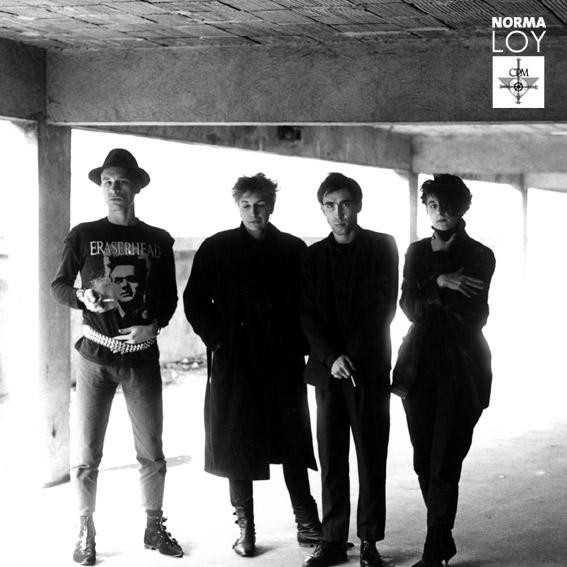
Norma Loy é um dos nomes mais emblemáticos da coldwave francesa. Formada em 1981 em Dijon, a banda traz um nome que, ao ser reorganizado, revela sua essência simbólica: “Nom Royal”. Por trás do projeto estão Usher e Chelsea, parceiros criativos desde 1977, quando se conheceram em meio ao turbilhão do punk.

Essa parceria se estendeu para além da música, livros, exposições, performances e experimentações artísticas deram o tom do que viria a ser a estética totalizante de Norma Loy. Inicialmente, participaram de projetos como o Metal Radiant (ruído punk, na linhagem de The Stooges) e Coït Bergman (mais eletrônico e com influência direta de Suicide). A criação da Norma Loy contou inclusive com a bênção de Alan Vega, que teria sugerido o nome. 

Lançado pelo selo associado ao fanzine New Wave, o primeiro EP autointitulado (Norma Loy, 1981) surge como um marco inaugural do gênero coldwave na França,minimalismo eletrônico, atmosfera glacial e lirismo perturbador.

Sem buscar concessões ao mercado, Norma Loy foi desbravando territórios. Em 1984, criaram seu próprio selo, o CPM, que funcionava como uma usina criativa, reunindo produção musical, fotográfica, literária e performática. Tudo era concebido de forma integrada dos discos às projeções ao vivo, que misturavam música e imagens em slides. O EP Psychic Altercation (1984) apresentou o conceito de “rock psicanalítico” que marcaria o estilo da banda.

Em 1986, veio o LP Rewind/T.Vision (Divine/Madrigal), primeiro de uma trilogia que mergulhava em temas como mídia viral, paranoia, sexo catódico e realidades ilusórias,referências diretas a Burroughs, ao dadaísmo e aos situacionistas permeiam o trabalho. No mesmo espírito, lançaram o vídeo Live Atheneum, Kill Kill Tour, um cruzamento de imagens de shows com microficções visuais. 

O disco Sacrifice (1988), lançado pela Just’in/Eurobond, levou essa estética ao limite: som duro, gélido e sem concessões, espelhando o colapso espiritual dos anos 80. A faixa “Power of Spirit” invadiu os túneis do metrô parisiense, enquanto o cover de “L’homme à la moto” atingiu as rádios, resultado que os levou a assinar com a Warner para os direitos autorais.

No mesmo período, Chelsea passou a estudar Butoh, a dança japonesa da morte e da metamorfose. Isso marcou profundamente os shows da banda, agora concebidos como espetáculos multimídia com participação de grupos como Fovea e a dançarina Sumako Koseki

Em 1989, a compilação 82/84 resgatou faixas esquecidas, enquanto a trilogia se completava com o LP Rebirth, dedicado aos estudantes da “Primavera de Pequim” mesclando coldwave, tribalismo psicodélico e experimentações eletrônicas. O grupo ainda se apresentou no festival Printemps de Bourges e em um programa especial de TV sobre o Japão, conduzido por Frédéric Mitterrand.

A virada dos anos 90 trouxe mudanças na formação e no selo, o que culminou no álbum Attitudes (1992), lançado pela Declic/Blue Silver. O disco desconcertou parte do público gótico ao reunir influências de todas as fases da banda, do eletrônico ao tribal, do pop estranho ao ruído ritual.

Em 1993, a banda entra em hiato. Usher e Chelsea mantêm colaborações pontuais, com trilhas para filmes (The House of Love, Soul Skin) e o projeto Peep Hole, com performance na catedral de Chartres ao lado do artista Patrice Ferrasse

Já no fim dos anos 90, o culto à Norma Loy se reascende com compilações internacionais e o lançamento de Open Your Mind (1997)  uma coleção de remixes inéditos que vinha acompanhada de um CD-ROM (raridade para a época). Em 1999, se associam ao artista Arnovah para o projeto eletrônico DYNA, lançando versões tecnológicas de “L’homme à la moto” pela BMG.

Nos anos 2000, Chelsea assume o alter ego REED 013, dedicando-se à fotografia e arte digital com forte teor fetichista e simbólico, seus trabalhos circularam em exposições, livros (Fetish Visions, Fetish Mode) e coletivos como o Alien Nation (cena fetiche + arte underground). Usher, sob o nome A. Shield, mantém produção musical solo e forma a banda Die Puppe, com discos lançados pela Kamisori Records. No álbum La Reine des Mouches (2006), Chelsea aparece novamente, em uma homenagem a John Balance, do Coil

Performances como Jet Sex Klinik (2001) e X Lab (2002) marcam a colaboração dos dois em espetáculos multimídia ao lado de artistas como Kiki Picasso e a vocalista japonesa Hanayo.

A redescoberta de Sacrifice em 2006, relançado pela Infrastition, junto com o inédito White Nights/White Beats, colocou o grupo novamente no radar. Em julho daquele ano, a nova formação da banda se apresentou no Dark Omen II Festival, reunindo Chelsea (voz), Usher (sintetizadores, voz), Lol (baixo), Yann Reversat (guitarra), Guillaume (bateria) e Hélène (dança Butoh). A performance foi celebrada pela crítica e fãs, reacendendo a chama do culto. 

Em 2007, a Infrastition relança o acervo inicial em ONE/Psychic Altercation, juntando os dois primeiros EPs com faixas raras de 82 a 85. Um DVD com o show do Dark Omen e arquivos visuais da trajetória da banda também foi prometido, selando o retorno de uma das entidades mais obscuras e visionárias da cena underground europeia.

 Discografia

Rewind/T.Vision (1986) 

Live At Atheneum (1987)

Sacrifice (1988)

Rebirth (1989) 

Attitudes (1992)

Un\Real  (2009)

Baphomet (2016)

Ouroboros (2023)

 Norma Loy, Primary, 1 of 2

Norma Loy is one of the most emblematic names of French coldwave. Formed in 1981 in Dijon, the band bears a name that, when rearranged, reveals its symbolic essence: “Nom Royal”. Behind the project are Usher and Chelsea, creative partners since 1977, when they met amidst the turmoil of punk.

This partnership extended beyond music — books, exhibitions, performances, and artistic experiments set the tone for what would become Norma Loy’s totalizing aesthetic. Initially, they participated in projects such as Metal Radiant (punk noise, in the lineage of The Stooges) and Coït Bergman (more electronic, with direct influence from Suicide). The creation of Norma Loy even had the blessing of Alan Vega, who is said to have suggested the name. 

Released by the label associated with the fanzine New Wave, their first self-titled EP (Norma Loy, 1981) emerged as a foundational milestone for the coldwave genre in France — electronic minimalism, glacial atmosphere, and disturbing lyricism.

Without seeking market concessions, Norma Loy carved new paths. In 1984, they created their own label, CPM, which functioned as a creative hub, bringing together music, photography, literature, and performance. Everything was conceived integrally — from records to live projections mixing music and slide imagery. The EP Psychic Altercation (1984) introduced the concept of “psychoanalytic rock” that would define the band’s style.

In 1986 came the LP Rewind/T.Vision (Divine/Madrigal), the first in a trilogy delving into themes like viral media, paranoia, cathodic sex, and illusory realities — with direct references to Burroughs, Dadaism, and the Situationists. In the same spirit, they released the video Live Atheneum, Kill Kill Tour, a blend of concert footage and visual microfictions. 

The album Sacrifice (1988), released by Just’in/Eurobond, pushed this aesthetic to its limits: hard, cold, and uncompromising sound, mirroring the spiritual collapse of the 1980s. The track “Power of Spirit” echoed through the Paris metro tunnels, while the cover of “L’homme à la moto” reached radio airplay, which led to a deal with Warner for the copyright.

Around the same time, Chelsea began studying Butoh, the Japanese dance of death and metamorphosis. This profoundly influenced the band’s performances, now conceived as multimedia spectacles with collaborations from groups like Fovea and dancer Sumako Koseki

In 1989, the compilation 82/84 rescued forgotten tracks, while the trilogy concluded with the LP Rebirth, dedicated to the students of the “Beijing Spring”, blending coldwave, psychedelic tribalism, and electronic experimentation. The group also performed at the Printemps de Bourges festival and on a special Japanese-themed TV program hosted by Frédéric Mitterrand.

The 1990s brought changes in lineup and label, culminating in the album Attitudes (1992), released by Declic/Blue Silver. The record unsettled part of the gothic audience by gathering influences from all phases of the band — from electronic to tribal, from strange pop to ritual noise.

In 1993, the band went on hiatus. Usher and Chelsea maintained occasional collaborations, creating film scores (The House of Love, Soul Skin) and the project Peep Hole, with a performance in Chartres Cathedral alongside artist Patrice Ferrasse

By the late '90s, the cult of Norma Loy reignited with international compilations and the release of Open Your Mind (1997), a collection of unreleased remixes accompanied by a CD-ROM (a rarity at the time). In 1999, they partnered with artist Arnovah for the electronic project DYNA, releasing tech-driven versions of “L’homme à la moto” through BMG.

In the 2000s, Chelsea assumed the alter ego REED 013, focusing on photography and digital art with strong fetishistic and symbolic undertones. Their works circulated in exhibitions, books (Fetish Visions, Fetish Mode), and collectives like Alien Nation (fetish scene + underground art). Usher, under the name A. Shield, continued solo music production and formed the band Die Puppe, releasing records through Kamisori Records. On the album La Reine des Mouches (2006), Chelsea reappears in a tribute to John Balance from Coil

Performances like Jet Sex Klinik (2001) and X Lab (2002) marked their collaboration in multimedia shows alongside artists like Kiki Picasso and Japanese vocalist Hanayo.

The rediscovery of Sacrifice in 2006, re-released by Infrastition, along with the previously unreleased White Nights/White Beats, put the group back on the map. In July of that year, the band’s new lineup performed at the Dark Omen II Festival, featuring Chelsea (vocals), Usher (synths, vocals), Lol (bass), Yann Reversat (guitar), Guillaume (drums), and Hélène (Butoh dance). The performance was acclaimed by critics and fans alike, reigniting the flame of the cult. 

In 2007, Infrastition reissued their early catalog in ONE/Psychic Altercation, combining the first two EPs with rare tracks from 1982 to 1985. A DVD featuring the Dark Omen concert and visual archives of the band's trajectory was also announced, sealing the return of one of the most obscure and visionary entities of the European underground scene.

 Discography

Rewind/T.Vision (1986) 

Live At Atheneum (1987)

Sacrifice (1988)

Rebirth (1989) 

Attitudes (1992)

Un\Real (2009)

Baphomet (2016)

Ouroboros (2023)