segunda-feira, 5 de maio de 2025

Ocal Waltz

Them Empty Brains, Primary, 1 of 2

Oriundos de Gotemburgo, Suécia, o Ocal Waltz foi um nome breve, porém expressivo, da cena pós-punk e gótica escandinava dos anos 1980. Ativos entre 1986 e 1988, o grupo lançou poucos registros, mas todos marcados por uma estética sonora fria e melancólica, alinhada ao espírito do underground europeu da época. Formado por M. Andersson (baixo), A.Goransson (bateria), H.Bailly (guitarra), N.Sundling (teclado) e P. Undenella ( vocal).

Seu primeiro registro foi um compacto em vinil 7", seguido por um álbum completo, ambos lançados pelo selo sueco Radium 226.05 Records uma gravadora visionária que serviu como berço para diversas bandas experimentais e vanguardistas da Suécia nos anos 80. 

Mas um lançamento menos conhecido e talvez ainda mais simbólico da efervescência criativa da época foi a cassete split lançada em 1988 em conjunto com a banda Sator, outro nome da cena alternativa sueca, embora com uma pegada mais voltada ao garage punk.

Esse split tape trazia faixas inéditas de ambos os grupos, funcionando quase como um retrato instantâneo de dois mundos distintos coexistindo no mesmo underground sueco: o lado sombrio e introspectivo do Ocal Waltz em contraste com a energia crua e rock'n'roll dos primeiros anos do Sator (ainda sob o nome Sator Codex).

A fita foi distribuída de forma bastante limitada, circulando principalmente entre fãs, lojas independentes e fanzines, o que a transformou em item de culto entre colecionadores. O lançamento também evidencia um aspecto muitas vezes esquecido da cena escandinava: sua diversidade estética e a colaboração entre bandas de diferentes vertentes dentro da cena alternativa.

Mesmo com uma discografia enxuta, o Ocal Waltz permanece como um dos nomes mais intrigantes do pós-punk sueco dos anos 80, com uma sonoridade que remete a Sad Lovers and Giants, The Chameleons e And Also the Trees, sempre envolta por atmosferas nebulosas e baixo pulsante. Um verdadeiro achado para os exploradores dos cantos mais obscuros do gótico europeu. 

Discografia

Them Empty Brains 1986
Sator/Ocal Waltz - k7 1988
Single
The Ocal Waltz (7") 1986

Them Empty Brains, Primary, 1 of 2

Hailing from Gothenburg, Sweden, Ocal Waltz was a brief yet expressive name in the Scandinavian post-punk and gothic scene of the 1980s. Active between 1986 and 1988, the group released few records, but all were marked by a cold and melancholic sonic aesthetic aligned with the spirit of the European underground of the time. The band was composed of M. Andersson (bass), A. Goransson (drums), H. Bailly (guitar), N. Sundling (keyboard), and P. Undenella (vocals).

Their first release was a 7" vinyl single, followed by a full-length album, both issued by the Swedish label Radium 226.05 Records — a visionary label that served as a cradle for various experimental and avant-garde Swedish bands of the 80s. 

But a lesser-known and perhaps even more symbolic release of the era’s creative effervescence was the split cassette released in 1988 in collaboration with the band Sator, another name from Sweden’s alternative scene, although with a sound leaning more towards garage punk.

This split tape featured previously unreleased tracks from both groups, serving almost as a snapshot of two distinct worlds coexisting within the same Swedish underground: the dark and introspective side of Ocal Waltz contrasted with the raw rock’n’roll energy of Sator’s early years (still under the name Sator Codex).

The tape was distributed in a very limited way, circulating mainly among fans, independent stores, and fanzines, which turned it into a cult item among collectors. The release also highlights an often overlooked aspect of the Scandinavian scene: its aesthetic diversity and the collaboration between bands from different strands of the alternative movement.

Even with a lean discography, Ocal Waltz remains one of the most intriguing names in the Swedish post-punk of the 80s, with a sound reminiscent of Sad Lovers and Giants, The Chameleons, and And Also the Trees, always wrapped in foggy atmospheres and pulsing basslines. A true gem for explorers of the darker corners of European gothic. 

Discography

Them Empty Brains 1986
Sator/Ocal Waltz – cassette 1988
Single
The Ocal Waltz (7") 1986

Norma Loy

 Norma Loy, Primary, 1 of 2

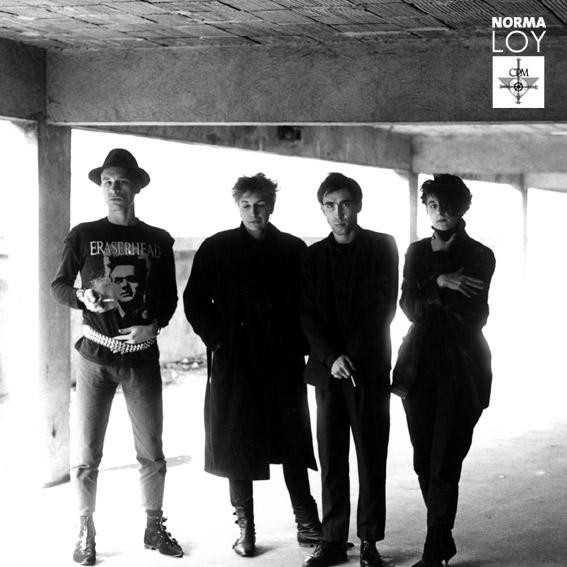
Norma Loy é um dos nomes mais emblemáticos da coldwave francesa. Formada em 1981 em Dijon, a banda traz um nome que, ao ser reorganizado, revela sua essência simbólica: “Nom Royal”. Por trás do projeto estão Usher e Chelsea, parceiros criativos desde 1977, quando se conheceram em meio ao turbilhão do punk.

Essa parceria se estendeu para além da música, livros, exposições, performances e experimentações artísticas deram o tom do que viria a ser a estética totalizante de Norma Loy. Inicialmente, participaram de projetos como o Metal Radiant (ruído punk, na linhagem de The Stooges) e Coït Bergman (mais eletrônico e com influência direta de Suicide). A criação da Norma Loy contou inclusive com a bênção de Alan Vega, que teria sugerido o nome. 

Lançado pelo selo associado ao fanzine New Wave, o primeiro EP autointitulado (Norma Loy, 1981) surge como um marco inaugural do gênero coldwave na França,minimalismo eletrônico, atmosfera glacial e lirismo perturbador.

Sem buscar concessões ao mercado, Norma Loy foi desbravando territórios. Em 1984, criaram seu próprio selo, o CPM, que funcionava como uma usina criativa, reunindo produção musical, fotográfica, literária e performática. Tudo era concebido de forma integrada dos discos às projeções ao vivo, que misturavam música e imagens em slides. O EP Psychic Altercation (1984) apresentou o conceito de “rock psicanalítico” que marcaria o estilo da banda.

Em 1986, veio o LP Rewind/T.Vision (Divine/Madrigal), primeiro de uma trilogia que mergulhava em temas como mídia viral, paranoia, sexo catódico e realidades ilusórias,referências diretas a Burroughs, ao dadaísmo e aos situacionistas permeiam o trabalho. No mesmo espírito, lançaram o vídeo Live Atheneum, Kill Kill Tour, um cruzamento de imagens de shows com microficções visuais. 

O disco Sacrifice (1988), lançado pela Just’in/Eurobond, levou essa estética ao limite: som duro, gélido e sem concessões, espelhando o colapso espiritual dos anos 80. A faixa “Power of Spirit” invadiu os túneis do metrô parisiense, enquanto o cover de “L’homme à la moto” atingiu as rádios, resultado que os levou a assinar com a Warner para os direitos autorais.

No mesmo período, Chelsea passou a estudar Butoh, a dança japonesa da morte e da metamorfose. Isso marcou profundamente os shows da banda, agora concebidos como espetáculos multimídia com participação de grupos como Fovea e a dançarina Sumako Koseki

Em 1989, a compilação 82/84 resgatou faixas esquecidas, enquanto a trilogia se completava com o LP Rebirth, dedicado aos estudantes da “Primavera de Pequim” mesclando coldwave, tribalismo psicodélico e experimentações eletrônicas. O grupo ainda se apresentou no festival Printemps de Bourges e em um programa especial de TV sobre o Japão, conduzido por Frédéric Mitterrand.

A virada dos anos 90 trouxe mudanças na formação e no selo, o que culminou no álbum Attitudes (1992), lançado pela Declic/Blue Silver. O disco desconcertou parte do público gótico ao reunir influências de todas as fases da banda, do eletrônico ao tribal, do pop estranho ao ruído ritual.

Em 1993, a banda entra em hiato. Usher e Chelsea mantêm colaborações pontuais, com trilhas para filmes (The House of Love, Soul Skin) e o projeto Peep Hole, com performance na catedral de Chartres ao lado do artista Patrice Ferrasse

Já no fim dos anos 90, o culto à Norma Loy se reascende com compilações internacionais e o lançamento de Open Your Mind (1997)  uma coleção de remixes inéditos que vinha acompanhada de um CD-ROM (raridade para a época). Em 1999, se associam ao artista Arnovah para o projeto eletrônico DYNA, lançando versões tecnológicas de “L’homme à la moto” pela BMG.

Nos anos 2000, Chelsea assume o alter ego REED 013, dedicando-se à fotografia e arte digital com forte teor fetichista e simbólico, seus trabalhos circularam em exposições, livros (Fetish Visions, Fetish Mode) e coletivos como o Alien Nation (cena fetiche + arte underground). Usher, sob o nome A. Shield, mantém produção musical solo e forma a banda Die Puppe, com discos lançados pela Kamisori Records. No álbum La Reine des Mouches (2006), Chelsea aparece novamente, em uma homenagem a John Balance, do Coil

Performances como Jet Sex Klinik (2001) e X Lab (2002) marcam a colaboração dos dois em espetáculos multimídia ao lado de artistas como Kiki Picasso e a vocalista japonesa Hanayo.

A redescoberta de Sacrifice em 2006, relançado pela Infrastition, junto com o inédito White Nights/White Beats, colocou o grupo novamente no radar. Em julho daquele ano, a nova formação da banda se apresentou no Dark Omen II Festival, reunindo Chelsea (voz), Usher (sintetizadores, voz), Lol (baixo), Yann Reversat (guitarra), Guillaume (bateria) e Hélène (dança Butoh). A performance foi celebrada pela crítica e fãs, reacendendo a chama do culto. 

Em 2007, a Infrastition relança o acervo inicial em ONE/Psychic Altercation, juntando os dois primeiros EPs com faixas raras de 82 a 85. Um DVD com o show do Dark Omen e arquivos visuais da trajetória da banda também foi prometido, selando o retorno de uma das entidades mais obscuras e visionárias da cena underground europeia.

 Discografia

Rewind/T.Vision (1986) 

Live At Atheneum (1987)

Sacrifice (1988)

Rebirth (1989) 

Attitudes (1992)

Un\Real  (2009)

Baphomet (2016)

Ouroboros (2023)

 Norma Loy, Primary, 1 of 2

Norma Loy is one of the most emblematic names of French coldwave. Formed in 1981 in Dijon, the band bears a name that, when rearranged, reveals its symbolic essence: “Nom Royal”. Behind the project are Usher and Chelsea, creative partners since 1977, when they met amidst the turmoil of punk.

This partnership extended beyond music — books, exhibitions, performances, and artistic experiments set the tone for what would become Norma Loy’s totalizing aesthetic. Initially, they participated in projects such as Metal Radiant (punk noise, in the lineage of The Stooges) and Coït Bergman (more electronic, with direct influence from Suicide). The creation of Norma Loy even had the blessing of Alan Vega, who is said to have suggested the name. 

Released by the label associated with the fanzine New Wave, their first self-titled EP (Norma Loy, 1981) emerged as a foundational milestone for the coldwave genre in France — electronic minimalism, glacial atmosphere, and disturbing lyricism.

Without seeking market concessions, Norma Loy carved new paths. In 1984, they created their own label, CPM, which functioned as a creative hub, bringing together music, photography, literature, and performance. Everything was conceived integrally — from records to live projections mixing music and slide imagery. The EP Psychic Altercation (1984) introduced the concept of “psychoanalytic rock” that would define the band’s style.

In 1986 came the LP Rewind/T.Vision (Divine/Madrigal), the first in a trilogy delving into themes like viral media, paranoia, cathodic sex, and illusory realities — with direct references to Burroughs, Dadaism, and the Situationists. In the same spirit, they released the video Live Atheneum, Kill Kill Tour, a blend of concert footage and visual microfictions. 

The album Sacrifice (1988), released by Just’in/Eurobond, pushed this aesthetic to its limits: hard, cold, and uncompromising sound, mirroring the spiritual collapse of the 1980s. The track “Power of Spirit” echoed through the Paris metro tunnels, while the cover of “L’homme à la moto” reached radio airplay, which led to a deal with Warner for the copyright.

Around the same time, Chelsea began studying Butoh, the Japanese dance of death and metamorphosis. This profoundly influenced the band’s performances, now conceived as multimedia spectacles with collaborations from groups like Fovea and dancer Sumako Koseki

In 1989, the compilation 82/84 rescued forgotten tracks, while the trilogy concluded with the LP Rebirth, dedicated to the students of the “Beijing Spring”, blending coldwave, psychedelic tribalism, and electronic experimentation. The group also performed at the Printemps de Bourges festival and on a special Japanese-themed TV program hosted by Frédéric Mitterrand.

The 1990s brought changes in lineup and label, culminating in the album Attitudes (1992), released by Declic/Blue Silver. The record unsettled part of the gothic audience by gathering influences from all phases of the band — from electronic to tribal, from strange pop to ritual noise.

In 1993, the band went on hiatus. Usher and Chelsea maintained occasional collaborations, creating film scores (The House of Love, Soul Skin) and the project Peep Hole, with a performance in Chartres Cathedral alongside artist Patrice Ferrasse

By the late '90s, the cult of Norma Loy reignited with international compilations and the release of Open Your Mind (1997), a collection of unreleased remixes accompanied by a CD-ROM (a rarity at the time). In 1999, they partnered with artist Arnovah for the electronic project DYNA, releasing tech-driven versions of “L’homme à la moto” through BMG.

In the 2000s, Chelsea assumed the alter ego REED 013, focusing on photography and digital art with strong fetishistic and symbolic undertones. Their works circulated in exhibitions, books (Fetish Visions, Fetish Mode), and collectives like Alien Nation (fetish scene + underground art). Usher, under the name A. Shield, continued solo music production and formed the band Die Puppe, releasing records through Kamisori Records. On the album La Reine des Mouches (2006), Chelsea reappears in a tribute to John Balance from Coil

Performances like Jet Sex Klinik (2001) and X Lab (2002) marked their collaboration in multimedia shows alongside artists like Kiki Picasso and Japanese vocalist Hanayo.

The rediscovery of Sacrifice in 2006, re-released by Infrastition, along with the previously unreleased White Nights/White Beats, put the group back on the map. In July of that year, the band’s new lineup performed at the Dark Omen II Festival, featuring Chelsea (vocals), Usher (synths, vocals), Lol (bass), Yann Reversat (guitar), Guillaume (drums), and Hélène (Butoh dance). The performance was acclaimed by critics and fans alike, reigniting the flame of the cult. 

In 2007, Infrastition reissued their early catalog in ONE/Psychic Altercation, combining the first two EPs with rare tracks from 1982 to 1985. A DVD featuring the Dark Omen concert and visual archives of the band's trajectory was also announced, sealing the return of one of the most obscure and visionary entities of the European underground scene.

 Discography

Rewind/T.Vision (1986) 

Live At Atheneum (1987)

Sacrifice (1988)

Rebirth (1989) 

Attitudes (1992)

Un\Real (2009)

Baphomet (2016)

Ouroboros (2023)

sábado, 3 de maio de 2025

Tuff Monks (Projeto do Nick Cave + The Go-Betweens)

 After The Fireworks, Primary, 1 of 4

Tuff Monks foi uma banda-relâmpago formada em 1982, fruto de um encontro improvável (ou inevitável) entre membros de dois pilares da cena alternativa australiana: Nick Cave, Mick Harvey e Rowland S. Howard, do The Birthday Party, e Robert Forster, Lindy Morrison e Grant McLennan, do The Go-Betweens. O único lançamento do grupo foi o single em 7" e 45 rpm "After the Fireworks", lançado pelo selo australiano Au Go Go Records.

A colaboração surgiu quase por acidente: as duas bandas haviam reservado, sem saber, horários sobrepostos no estúdio AAV, em Melbourne. O The Birthday Party enfrentava dificuldades para finalizar seu disco Junkyard (lançado em maio de 1982), e, entre uma pausa e outra, decidiram unir forças com os Go-Betweens para registrar uma faixa. A ideia da música, bem como sua letra, partiu de Nick Cave. A batida marcante leva a assinatura inconfundível de Lindy Morrison. O nome “Tuff Monks” foi inventado por Anita Lane, então namorada de Cave.

O grupo tocou ao vivo uma única vez, no Tiger Lounge em Richmond, apresentando um cover de "Ring of Fire". After the Fireworks" foi lançado naquele mesmo ano por Keith Glass, dono do selo Missing Link. Segundo ele, a decisão veio para recuperar parte do prejuízo com os altos custos de estúdio do The Birthday Party.

Eles estavam no AVV, custando uma fortuna,mil dólares por noite... Uma noite surgiu ‘After the Fireworks’ porque não tinham nada melhor pra fazer. Então eu disse: ‘Vamos usar isso como moeda pra compensar os custos’. Acho que foi o Nick Cave que teve a ideia de lançar como Tuff Monks... Vendeu até bem.”  Keith Glass

Porém, a versão de Mick Harvey é bem diferente. Para ele, o single não deveria sequer ter saído: “Aquela faixa foi basicamente uma jam de duas horas que nem chegamos a terminar... Como conseguiram lançar aquilo, não faço ideia. É absurdo, um verdadeiro ultraje... A proposta era que ninguém fosse creditado. Era pra ser só ‘The Tuff Monks’, sem explicação, sem nada.” Mick Harvey  

Keith Glass contesta. Ele reivindica a escolha da capa do single e a criação do lado B, uma versão dub da faixa principal, batizada "After, After the Fireworks".

Com o passar do tempo, “After the Fireworks” ganhou vida própria. Foi incluída na versão em CD de Drunk on the Pope’s Blood (split entre The Birthday Party e Lydia Lunch), na box set The Definitive Missing Link Recordings 1979–1982 do Birthday Party, na reedição de 2002 do álbum Send Me a Lullaby dos Go-Betweens, e na compilação australiana No Worries, lançada pela Hot Records. Tal projeto foi um encontro fugaz, mas explosivo, uma joia rara para colecionadores.

Discografia

After the Fireworks (single) 1982

 After The Fireworks, Primary, 1 of 4

Tuff Monks was a lightning band formed in 1982, the result of an unlikely (or inevitable) encounter between members of two pillars of the Australian alternative scene: Nick Cave, Mick Harvey and Rowland S. Howard from The Birthday Party, and Robert Forster, Lindy Morrison and Grant McLennan from The Go-Betweens. The group's only release was the 7" 45 rpm single "After the Fireworks", released by the Australian label Au Go Go Records.

The collaboration came about almost by accident: both bands had unknowingly booked overlapping times at AAV Studios in Melbourne. The Birthday Party was struggling to finish their album Junkyard (released in May 1982), and during a break, they decided to join forces with The Go-Betweens to record a track. The idea and lyrics came from Nick Cave. The striking beat carries the unmistakable signature of Lindy Morrison. The name “Tuff Monks” was coined by Anita Lane, Cave’s girlfriend at the time.

The group played live only once, at the Tiger Lounge in Richmond, performing a cover of "Ring of Fire". “After the Fireworks” was released that same year by Keith Glass, owner of the Missing Link label. According to him, the decision came as a way to recover part of the high studio costs from The Birthday Party.

They were at AAV, costing a fortune, a thousand dollars a night... One night, ‘After the Fireworks’ came up because they had nothing better to do. So I said: ‘Let’s use this as currency to offset the costs’. I think it was Nick Cave who had the idea to release it as Tuff Monks... It even sold well.” Keith Glass

However, Mick Harvey’s version is quite different. To him, the single shouldn’t even have been released: “That track was basically a two-hour jam we didn’t even finish... How they managed to release that, I have no idea. It’s absurd, a real outrage... The idea was that no one would be credited. It was supposed to be just ‘The Tuff Monks’, with no explanation, nothing.” Mick Harvey  

Keith Glass disagrees. He claims the choice of the single’s cover and the creation of the B-side, a dub version of the main track titled "After, After the Fireworks".

Over time, “After the Fireworks” took on a life of its own. It was included in the CD version of Drunk on the Pope’s Blood (a split between The Birthday Party and Lydia Lunch), in the box set The Definitive Missing Link Recordings 1979–1982 by The Birthday Party, in the 2002 reissue of the album Send Me a Lullaby by The Go-Betweens, and in the Australian compilation No Worries, released by Hot Records. It was a fleeting but explosive project, a rare gem for collectors.

Discography

After the Fireworks (single) 1982

Dropbears

 Dropbears, Primary, 1 of 1

No cerne de Darlinghurst, em Sydney, um bairro conhecido por sua efervescência artística e vida noturna, nasceu em 1981 uma das bandas mais carismáticas e ao mesmo tempo subestimadas da cena pós-punk/new wave australiana: os Dropbears. Combinando energia crua, lirismo melódico e um certo toque de pop sombrio, o grupo deixou sua marca em uma cena local que abarcava nomes como The Church, Laughing Clowns e The Triffids.

A gênese dos Dropbears tem aquele sabor de acaso típico do underground. O guitarrista e vocalista Johnny Batchelor, neozelandês radicado em Sydney, vinha ensaiando com o baterista Simon Rudlin e o baixista Rod Brunel (do grupo local The Singles), mas a química não estava fluindo.  

A mudança veio de baixo, literalmente. O vizinho de apartamento Chris Toms, que morava no andar de baixo, foi convidado a se juntar ao projeto, trazendo nova energia e também batizando o grupo com um nome típico do humor australiano: Dropbears, referência a uma criatura fictícia usada em pegadinhas, uma espécie de "urso-coala assassino" que cairia das árvores para atacar desavisados.

A formação inicial logo ganhou reforços: James Elliot, Phil Hall, Robert "Bert" Hearn e Mike "Snapper" Knapp passaram pelas fileiras da banda até sua dissolução em 1985. Durante esse breve intervalo, os Dropbears conseguiram o que poucas bandas independentes da época alcançaram: airplay nacional, presença nas paradas e o respeito de uma cena crítica. 

Em 1985, o single “Shall We Go” chegou a figurar modestamente nas paradas australianas, consolidando o som característico da banda um híbrido entre o pós-punk melódico e o pop radiofônico, sem abrir mão de letras introspectivas e atmosferas carregadas. A faixa havia sido lançada pelo selo WEA, uma das maiores gravadoras da época, demonstrando que o grupo já havia rompido as fronteiras do circuito local.

Além de “Shall We Go”, outros registros como “Christine”, “Fun Loving” e o mini-álbum “Dropbears” (1984) ajudam a delinear uma trajetória sonora marcada por guitarras reverberantes, vocais dramáticos e uma sensibilidade melódica que dialoga tanto com os ingleses Echo & The Bunnymen quanto com o lado mais sombrio do pop australiano oitentista. 

Embora tenham encerrado atividades em 1985, os Dropbears continuam a ser lembrados por sua contribuição ímpar ao tecido da música alternativa australiana. Nos anos 2000, o selo Warner chegou a lançar uma coletânea digital intitulada “Dropbears Essentials”, resgatando algumas das pérolas perdidas da banda para uma nova geração.

Assim como tantas outras bandas esquecidas pelos holofotes mas eternas nas fitas cassete e corações de quem viveu a cena, os Dropbears seguem como um símbolo de uma era vibrante, quando os becos de Sydney pulsavam com criatividade, suor e distorção.

Discografia

  • The Dropbears - Untitled 1984

Singles & EPs

  • Fun Loving 1981
  • Lay Him Down 1983
  • Proud 1984
  • Shall We Go 1984
  • In Your Eyes 1985

Coletâneas

  • Fun Lovers Singles Pack 1986
  • Fun Lovers Singles 1986

 Dropbears, Primary, 1 of 1

In the heart of Darlinghurst, Sydney — a neighborhood known for its artistic vibrancy and nightlife — one of the most charismatic yet underrated bands of the Australian post-punk/new wave scene was born in 1981: the Dropbears. Blending raw energy, melodic lyricism, and a touch of dark pop, the group left its mark on a local scene that included names like The Church, Laughing Clowns, and The Triffids.

The genesis of the Dropbears has that typical underground flavor of chance. Guitarist and vocalist Johnny Batchelor, a New Zealander based in Sydney, had been rehearsing with drummer Simon Rudlin and bassist Rod Brunel (from local band The Singles), but the chemistry wasn't working.

The change came from below — literally. Downstairs neighbor Chris Toms was invited to join the project, bringing new energy and also naming the band with a typical touch of Australian humor: Dropbears — a reference to a fictional creature used in pranks, a kind of "killer koala bear" that would drop from trees to attack unsuspecting victims.

The initial lineup soon expanded: James Elliot, Phil Hall, Robert "Bert" Hearn, and Mike "Snapper" Knapp passed through the band's ranks until their breakup in 1985. During that short span, the Dropbears achieved what few independent bands of the time managed: national airplay, chart presence, and the respect of a discerning scene.

In 1985, the single “Shall We Go” made a modest appearance on the Australian charts, cementing the band’s signature sound — a hybrid of melodic post-punk and radio-friendly pop, without abandoning introspective lyrics and atmospheric tones. The track had been released by WEA, one of the major labels at the time, showing that the group had already broken out of the local circuit.

Alongside “Shall We Go,” other recordings like “Christine”, “Fun Loving”, and the mini-album “Dropbears” (1984) help define a sonic trajectory marked by reverberating guitars, dramatic vocals, and a melodic sensibility that connects both with the English Echo & The Bunnymen and the darker side of '80s Australian pop.

Although they disbanded in 1985, the Dropbears are still remembered for their unique contribution to the fabric of Australian alternative music. In the 2000s, Warner Records released a digital compilation titled “Dropbears Essentials”, bringing some of the band’s lost gems to a new generation.

Like so many other bands forgotten by the spotlight but eternal on cassette tapes and in the hearts of those who lived the scene, the Dropbears remain a symbol of a vibrant era, when Sydney’s back alleys pulsed with creativity, sweat, and distortion.

Discography

  • The Dropbears - Untitled 1984

Singles & EPs

  • Fun Loving 1981
  • Lay Him Down 1983
  • Proud 1984
  • Shall We Go 1984
  • In Your Eyes 1985

Compilations

  • Fun Lovers Singles Pack 1986
  • Fun Lovers Singles 1986

Short Circuit: Live at the Electric Circus

Short Circuit Live At The Electric Circus, Primary, 1 of 15

Em outubro de 1977, Manchester assistia ao último suspiro de um de seus palcos mais incendiários: o Electric Circus. Nos dias 1 e 2, o lendário clube abriu suas portas pela última vez para dois shows históricos que reuniram algumas das bandas mais incandescentes da cena punk e pós-punk local. Esses momentos foram capturados no disco Short Circuit: Live at the Electric Circus, lançado em 1978 pela Virgin Records como uma espécie de cápsula do tempo de uma era prestes a ruir.

O registro traz faixas ao vivo de nomes que, na época, ainda engatinhavam na cena, e que depois se tornariam mitos. Entre eles, o Joy Division, ainda atendendo pelo nome original Warsaw, que se apresentou na segunda noite. Curiosamente, apesar de só terem adotado o nome definitivo em janeiro de 1978, a faixa foi creditada já como Joy Division no lançamento, embaralhando um pouco a cronologia da metamorfose da banda.

Além deles, o álbum marca também a estreia discográfica do The Fall, banda que faria história com sua verve ácida e infindáveis formações. Vale notar que o EP de estreia do Joy Division, An Ideal for Living, sairia apenas 13 dias depois desse show, o que confere ao Short Circuit um caráter quase premonitório. As demais bandas presentes na compilação já haviam lançado seus álbuns de estreia ao longo daquele mesmo ano fervilhante.

Em 1990, o disco ganharia nova vida ao ser relançado em CD pelo selo Blue Plate, reforçando seu status cult e sua importância como retrato cru de um momento decisivo na transição entre o punk setentista e os experimentos que levariam ao pós-punk.

Short Circuit Live At The Electric Circus, Primary, 1 of 15

In October 1977, Manchester witnessed the final breath of one of its most incendiary venues: the Electric Circus. On the 1st and 2nd, the legendary club opened its doors for the last time for two historic shows that brought together some of the most blazing bands from the local punk and post-punk scene. These moments were captured on the album Short Circuit: Live at the Electric Circus, released in 1978 by Virgin Records as a kind of time capsule from an era on the verge of collapse.

The record features live tracks from artists who, at the time, were still crawling into the scene and would later become legends. Among them was Joy Division, still performing under their original name Warsaw, who played on the second night. Interestingly, although they would only adopt the final name in January 1978, the track was already credited as Joy Division on the release, slightly blurring the chronology of the band’s transformation.

The album also marks the recording debut of The Fall, a band that would go on to make history with its biting wit and endless lineup changes. It's worth noting that Joy Division’s debut EP, An Ideal for Living, would be released just 13 days after this show, giving Short Circuit an almost prophetic quality. The other bands featured in the compilation had already released their debut albums earlier in that same feverish year.

In 1990, the album was reissued on CD by the Blue Plate label, reinforcing its cult status and importance as a raw snapshot of a pivotal moment in the transition from '70s punk to the experiments that would lead to post-punk.